
Introduction
In today’s digital world, a website is no longer just a digital brochure. It has become the first impression, the first conversation, and often the deciding factor between whether a customer trusts a business or leaves within seconds. As someone deeply passionate about web design, branding, and digital strategy, I have realized that the most successful websites are not simply “beautiful.” They are strategically designed around psychology, user behavior, and trust.
When I first started exploring web design and digital marketing, I noticed a common problem among many businesses. Most websites looked outdated, confusing, or emotionally disconnected from their audience. Some had too much clutter. Others had no clear branding. Many lacked confidence in their presentation. Even businesses with incredible products or services were losing opportunities simply because their digital presence failed to communicate value professionally.
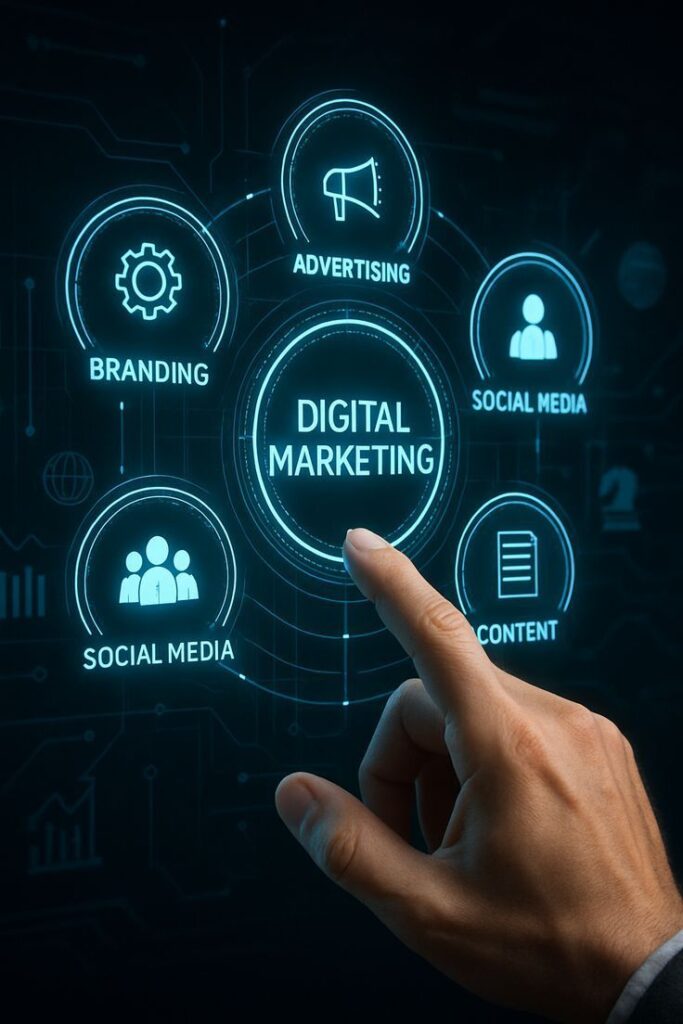
The first few seconds on a website are critical. People make subconscious judgments extremely fast. Colors, spacing, typography, layout structure, and even animation speed affect how trustworthy a brand appears. A clean and elegant design instantly creates authority, while a poorly structured website creates hesitation. This is why I strongly believe that minimalism and strategic luxury aesthetics are becoming essential in modern digital experiences.
When I design websites using platforms like WordPress, Elementor, or Shopify, I focus heavily on clarity and emotional flow. Every section should feel intentional. Every visual element should support the user journey. Modern users do not want complexity. They want confidence, simplicity, and smooth navigation.
One major factor I have observed is that trust is directly connected to visual professionalism. Many small businesses underestimate this. They assume a website only needs information, but customers today evaluate brands based on presentation quality. If a business looks premium online, people naturally assume the service itself is professional. This is why branding and web design can never be separated.

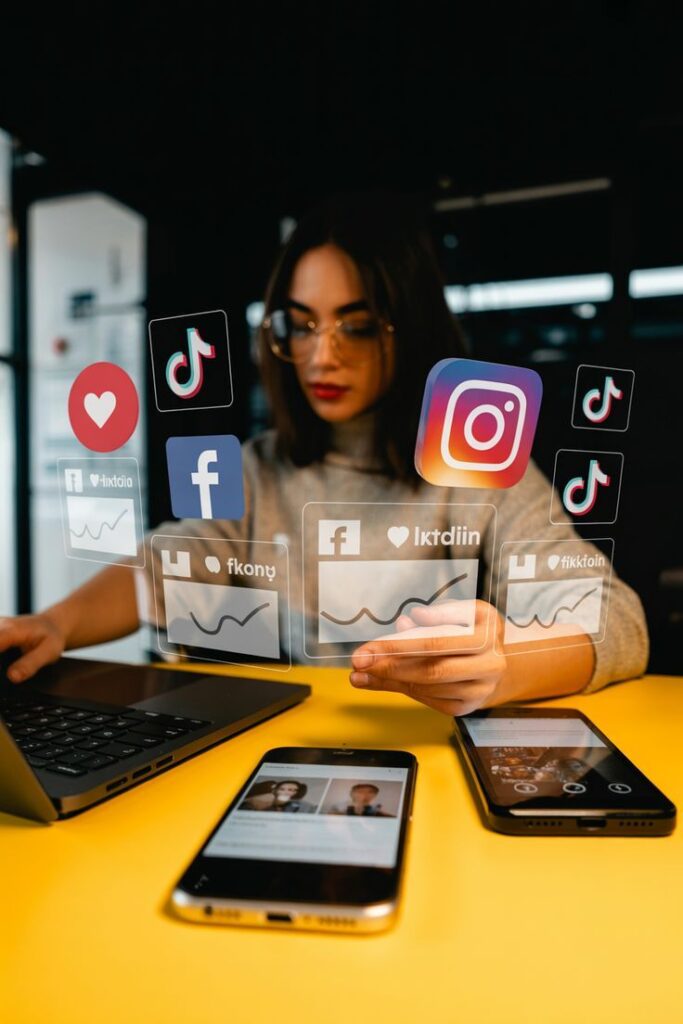
A powerful brand identity creates consistency. Colors, typography, messaging, imagery, and layout should work together seamlessly. When branding is inconsistent, users subconsciously feel uncertainty. On the other hand, when everything feels aligned and polished, the brand feels reliable and established.
Another important element of high-converting websites is user experience. I often notice websites trying to impress visitors with too many effects, animations, or unnecessary sections. In reality, excessive design usually reduces performance. Simplicity is what creates elegance. Luxury brands understand this extremely well. Their websites are clean, intentional, and emotionally controlled.


A modern website should guide the visitor naturally instead of overwhelming them.
The structure matters more than people think. A strong hero section, clear messaging, smooth spacing, professional typography, and strategic call-to-actions can completely transform how a business is perceived. Even small adjustments in layout hierarchy can improve engagement significantly.
I also believe responsiveness is now one of the foundations of trust. Most users visit websites through mobile devices, yet many businesses still ignore mobile optimization. A website that looks perfect on desktop but broken on mobile immediately damages credibility. This is why responsive design is not optional anymore. It is a business necessity.
Search engine optimization also plays a major role in website success. A beautiful website without SEO is like opening a luxury store in the middle of nowhere. People need to discover your business organically. This is why I focus on combining design with SEO strategy instead of treating them as separate services.
Modern SEO is no longer about stuffing keywords. It is about structure, speed, user experience, content quality, and search intent. Google rewards websites that provide value and smooth experiences. This is where web design and digital marketing start working together as one ecosystem


Another factor I find extremely important is emotional positioning. Every successful website creates a feeling. Some create excitement. Some create sophistication. Some create trust and comfort. The emotional tone should align with the brand identity. Corporate brands may require authority and professionalism, while luxury brands require elegance and exclusivity.
This emotional connection is what transforms ordinary websites into memorable digital experiences.
As I continue growing in digital marketing and web design, I have become increasingly passionate about creating websites that are not only visually attractive but strategically meaningful. I believe businesses deserve digital platforms that represent their true value professionally and confidently.
The future of web design is not about adding more elements. It is about creating smarter, cleaner, and more intentional experiences. Businesses that understand this will stand out strongly in the modern digital environment.
Today, customers judge brands digitally before they ever make contact. That means your website is already speaking on your behalf. The question is whether it communicates confidence, professionalism, and trust — or confusion and inconsistency.
For me, web design is not just about aesthetics. It is about creating digital experiences that influence perception, build authority, and support long-term business growth. That combination of psychology, branding, SEO, and strategy is what truly creates high-converting websites in the modern world.