

Introduction
One of the biggest lessons I have learned while exploring web design and digital marketing is that people do not stay on websites that feel difficult, confusing, or outdated. No matter how good a business is, poor user experience can quietly destroy trust and reduce conversions before the brand even gets a chance to communicate its value.
Today’s digital audience has become extremely fast-paced. Users expect websites to load quickly, feel smooth, and provide information effortlessly. They do not want to search endlessly for buttons, struggle with navigation, or deal with cluttered layouts. If a website creates friction, most visitors simply leave.
This is why user experience has become one of the most powerful aspects of modern web design.
When I first started analyzing business websites, I noticed that many companies focused only on appearance. While visuals are important, user experience goes much deeper than design alone. A website should feel natural to interact with. Every section should guide the user smoothly toward understanding the brand, exploring services, and taking action confidently.
To me, user experience is about reducing confusion and increasing clarity.
The structure of a website directly influences how people feel about a business. Clean navigation, organized layouts, balanced spacing, and readable typography make users feel comfortable and confident. On the other hand, crowded sections and inconsistent design create stress and hesitation.

I strongly believe that simplicity creates sophistication.
Luxury brands understand this concept exceptionally well. Their websites rarely feel overwhelming. Instead, they create calm, controlled, and premium experiences. Minimal design, strategic white space, and smooth interactions make the user feel that the brand itself is organized and trustworthy.
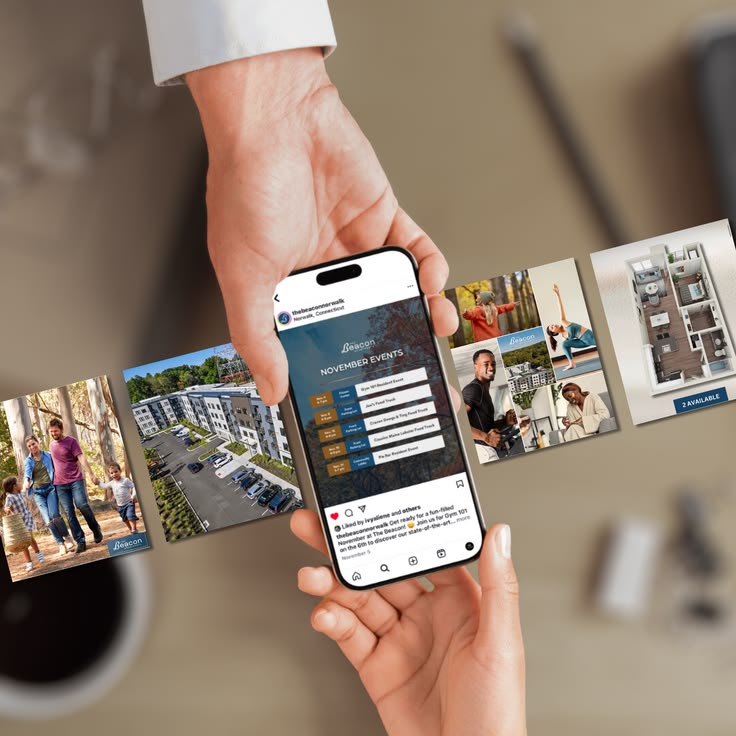


This philosophy has heavily influenced my own approach toward web design.
When designing websites using WordPress, Elementor, or Shopify, I focus on creating experiences that feel intuitive instead of complicated. Every element should have purpose. Every section should support the user journey. A website should guide visitors naturally without making them think too much about where to click next.
Another major factor in user experience is speed.
Modern users expect instant performance. Even a few seconds of loading delay can increase bounce rates significantly. Slow websites damage trust because users associate speed with professionalism. This is one reason optimization has become such an important part of modern digital strategy.
I also believe mobile responsiveness has become essential for strong user experience. Most traffic today comes from smartphones, yet many websites are still designed primarily for desktop screens. This creates inconsistent experiences that frustrate users immediately.
A modern website should look and function beautifully across all devices.
User experience is also closely connected to branding. Consistent colors, typography, icons, and messaging help users feel familiarity throughout the website. When branding feels disconnected, the experience feels unprofessional. But when everything aligns perfectly, the website creates emotional confidence.
This emotional connection matters more than many businesses realize.
People buy based on trust before logic. If a website feels polished and premium, users naturally assume the business itself is credible. That perception can strongly influence conversions, inquiries, and customer decisions.
Another important aspect of user experience is content hierarchy. Visitors should instantly understand:
- What the business does
- Who it helps
- Why it matters
- What action they should take next
If this communication is unclear, users become confused quickly.
This is why I believe strategic web design is not just about creativity. It is about communication. A website should visually guide attention in the correct order. Headlines, spacing, imagery, and call-to-actions should work together to create a smooth psychological flow.


Modern digital marketing also depends heavily on user experience. SEO, Google Ads, and branding efforts become significantly more effective when users land on a website that feels professional and trustworthy. Even the best marketing campaigns can fail if the website experience itself feels weak.
That is why web design and digital marketing should never operate separately.
The future of modern business belongs to brands that create complete digital ecosystems. Websites, branding, SEO, and marketing should work together seamlessly to create one unified experience. Businesses that understand this gain a major competitive advantage online.
As I continue developing my skills in digital strategy and web design, I have become increasingly passionate about helping brands build stronger digital identities through intentional design and meaningful experiences.


To me, user experience is not simply a technical concept. It is a reflection of how much a brand values its audience. When businesses invest in smooth, elegant, and strategic experiences, users notice the difference immediately.
In the modern digital landscape, attention is limited and competition is everywhere. Businesses no longer compete only through products or services. They compete through experience.
And in many cases, the website experience becomes the deciding factor between gaining trust or losing opportunity.