
Introduction
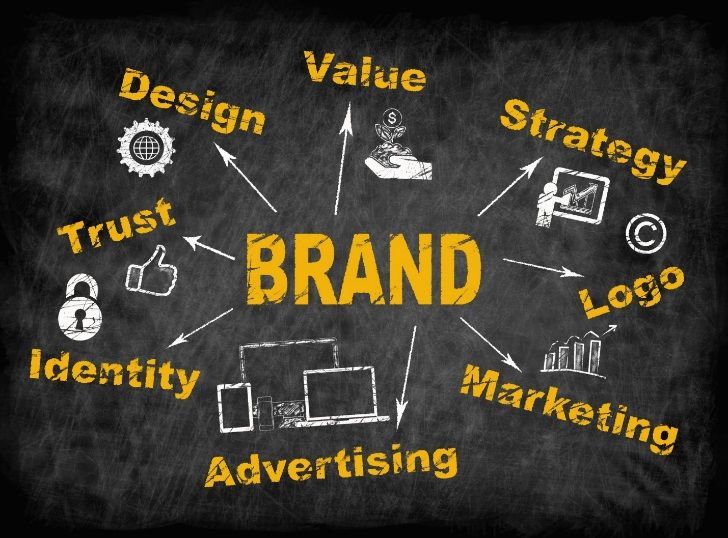
Digital marketing today is no longer only about visibility. It is about positioning, perception, and long-term authority. One thing I have learned while exploring branding, web design, and online strategy is that successful businesses are not built only through advertisements. They are built through consistency, trust, and meaningful digital presence.
Many businesses focus only on short-term marketing results. They run advertisements, post content randomly, or redesign websites without any deeper strategy. While these efforts may create temporary attention, they rarely build lasting authority.
True digital growth happens when every part of a brand works together strategically.
This is one reason I became deeply interested in combining web design, branding, SEO, and digital marketing into one connected ecosystem. I realized that businesses often struggle online not because they lack potential, but because their digital identity feels fragmented and inconsistent.
Some businesses have excellent services but weak branding. Others have attractive branding but poor websites. Some invest in marketing campaigns without optimizing user experience. These disconnects quietly reduce trust and limit long-term growth.
To me, authority begins with perception.
Before customers contact a business, they evaluate its digital presence subconsciously. They look at website quality, branding consistency, content professionalism, and overall presentation. These details shape how trustworthy and established a brand appears online.
This is why modern digital marketing extends far beyond advertising alone.
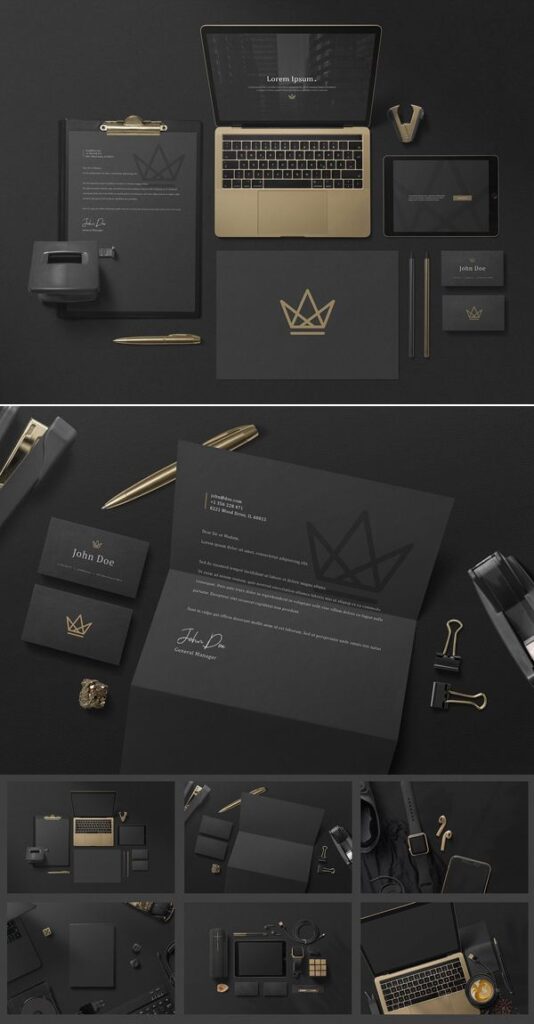

A professional website creates credibility. Strong branding creates recognition. SEO builds discoverability. Strategic content builds trust. When these elements work together consistently, businesses gradually establish authority within their industry.
One aspect I find especially important is branding psychology. Luxury and corporate brands understand that perception influences value. The way a business presents itself visually and emotionally directly affects how customers interpret professionalism.
Minimalism, elegance, consistency, and clarity are becoming increasingly powerful in the modern digital environment. Overdesigned and cluttered websites often reduce credibility instead of improving it. Strong brands focus on intentional communication rather than unnecessary complexity.
As someone passionate about modern web experiences, I strongly believe that digital marketing should create emotional confidence. Every interaction should reinforce trust. Whether someone discovers a business through Google search, social media, or advertisements, the experience should feel aligned and professional throughout.
SEO is another major foundation of long-term authority.
Many people misunderstand SEO as only keyword optimization, but modern SEO is much more strategic. Search engines prioritize websites that provide strong user experiences, valuable content, mobile responsiveness, and technical performance.
This means SEO and web design are deeply connected.
A slow, poorly structured website weakens both user trust and search visibility. On the other hand, a clean, optimized, and strategically designed website strengthens long-term organic growth. Businesses that invest in both design and SEO create stronger digital foundations over time.


supports conversion properly. Driving traffic alone is not enough. Visitors must feel confidence once they arrive.
This is where branding and web design play critical roles.
I have noticed that many small businesses underestimate the importance of presentation. They focus entirely on services or pricing while ignoring how the brand feels digitally. In reality, customers often connect emotionally with presentation before they analyze details logically.
This emotional positioning influences authority strongly.
A premium digital experience signals professionalism. A polished website communicates reliability. Consistent branding creates familiarity. Together, these elements gradually build trust in the minds of users.
Another important factor in authority building is consistency. Strong brands maintain unified visual identities and messaging across websites, social media, advertisements, and content. This repetition strengthens recognition and memorability over time.


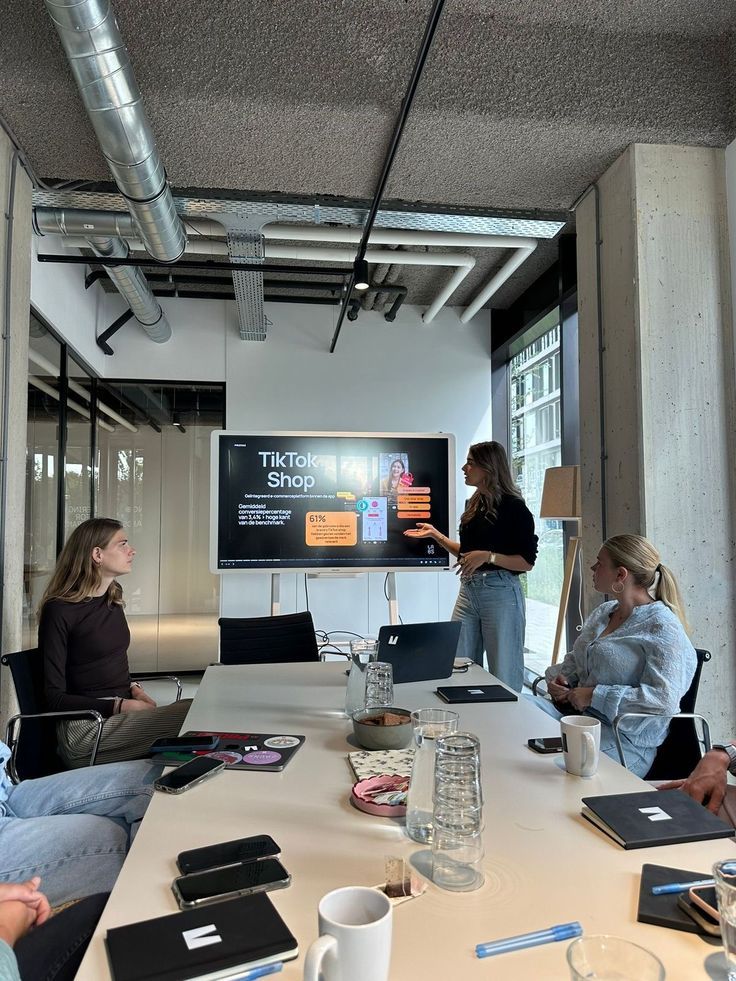

Digital marketing should not feel disconnected. It should feel like one strategic experience.
As I continue developing my own journey in web design and digital marketing, I have become increasingly inspired by businesses that understand the power of intentional digital ecosystems. The brands that stand out today are not necessarily the loudest. They are the most consistent, refined, and strategically positioned.
The future of digital marketing belongs to businesses that combine creativity with clarity.
Modern audiences are becoming more selective. They want professionalism, trust, and meaningful experiences. Businesses that prioritize these qualities through strategic branding, elegant web design, SEO, and thoughtful marketing will continue building stronger authority in the years ahead.
For me, digital marketing is not simply about generating clicks. It is about creating long-term perception and meaningful business growth. That combination of strategy, branding, psychology, and design is what transforms ordinary businesses into memorable brands in the digital world.